

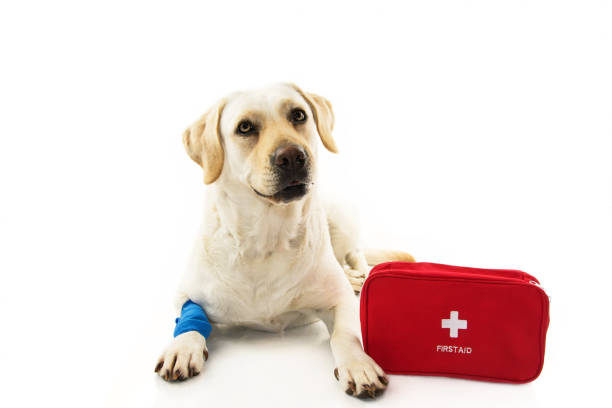
Pet ownership brings immense joy and companionship, but it also comes with responsibilities, including being prepared for emergencies. Just like humans, pets can experience sudden health issues or accidents that require immediate attention. Having a basic understanding of first aid for pets can make a significant difference in the outcome of such situations. This article aims to provide pet owners with essential information on how to handle animal emergencies at home, ensuring the safety and well-being of their furry friends.
UNDERSTANDING COMMON PET EMERGENCIES
Pet emergencies can range from minor injuries to life-threatening situations. Common emergencies include choking, poisoning, fractures, and heatstroke. Choking can occur if a pet swallows a foreign object or food that obstructs the airway. In such cases, it’s crucial to act quickly to remove the obstruction. Poisoning is another frequent emergency, often caused by ingestion of toxic substances like household cleaners, plants, or human medications. Recognizing the signs of poisoning, such as vomiting, diarrhea, or seizures, is vital for prompt intervention. Fractures can result from falls or accidents, and while they may not always be life-threatening, they require immediate attention to prevent further injury. Heatstroke is a serious condition that can occur if a pet is exposed to high temperatures for too long, leading to symptoms like excessive panting, drooling, and lethargy. Understanding these common emergencies helps pet owners respond effectively and seek veterinary care when necessary.
ESSENTIAL FIRST AID SUPPLIES FOR PETS
Having a well-stocked first aid kit is crucial for managing pet emergencies at home. A basic kit should include items like gauze, adhesive tape, antiseptic wipes, and a digital thermometer. Gauze and adhesive tape are essential for dressing wounds and controlling bleeding. Antiseptic wipes help clean minor cuts and prevent infection. A digital thermometer is necessary for monitoring a pet’s temperature, which can indicate fever or heatstroke. Additionally, include a pair of tweezers for removing splinters or ticks, and a muzzle to prevent biting if a pet is in pain or frightened. It’s also advisable to have a pet-specific first aid manual for quick reference during emergencies. Regularly check and replenish the supplies in the kit to ensure everything is in good condition and ready for use. Having these supplies on hand can make a significant difference in managing a pet’s injury or illness until professional help is available.
BASIC FIRST AID TECHNIQUES FOR PETS
Knowing basic first aid techniques can be lifesaving in an emergency. For choking, if a pet is conscious and coughing, allow them to try to dislodge the object on their own. If they are unable to do so, carefully open their mouth and attempt to remove the object with your fingers or tweezers. In cases of poisoning, contact a veterinarian immediately and provide them with information about the substance ingested. Do not induce vomiting unless instructed by a professional, as this can sometimes cause more harm. For fractures, gently immobilize the affected area using a splint or padding, and transport the pet to a veterinarian as soon as possible. In the event of heatstroke, move the pet to a cooler area, offer small amounts of water, and use damp towels to lower their body temperature gradually. Understanding and applying these techniques can stabilize a pet’s condition and prevent further complications until veterinary care is obtained.
CREATING A PET EMERGENCY PLAN
Preparation is key to effectively handling pet emergencies. Creating a pet emergency plan involves several steps, starting with identifying local veterinary clinics and emergency services. Keep their contact information readily accessible, and know their hours of operation. It’s also important to have a transportation plan in place, whether it’s using your own vehicle or arranging for a pet-friendly taxi service. Familiarize yourself with the route to the nearest emergency clinic to save time during a crisis. Additionally, ensure that all family members or pet sitters are aware of the emergency plan and know how to access the first aid kit. Regularly review and update the plan to accommodate any changes in your pet’s health or living situation. By having a well-thought-out emergency plan, pet owners can respond quickly and efficiently, minimizing stress and ensuring their pet receives the necessary care.
In conclusion, being prepared for pet emergencies is an essential aspect of responsible pet ownership. Understanding common emergencies, having a well-stocked first aid kit, knowing basic first aid techniques, and creating a comprehensive emergency plan are all crucial steps in ensuring the safety and well-being of pets. While it’s always important to seek professional veterinary care, being equipped to handle emergencies at home can make a significant difference in the outcome of a situation. By taking these proactive measures, pet owners can provide their furry companions with the best possible care in times of need. For those interested in learning more about first aid, mississauga cpr courses can be a valuable resource.
