

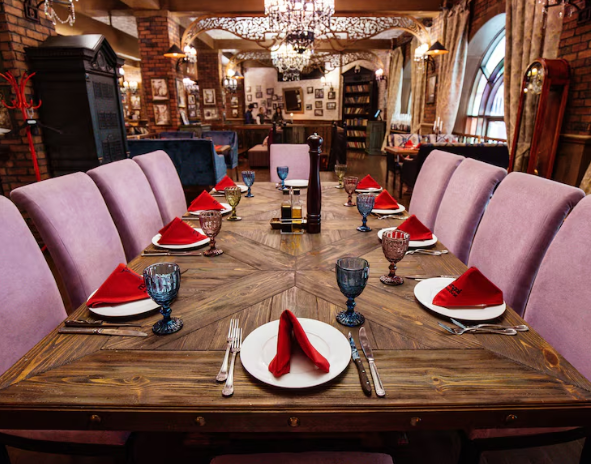
Before guests study the menu, notice the wine list, or hear the specials, they have already started reading the room. They see the spacing between tables, the finish of the wood, the curve of a backrest, the weight of a frame, and the way every chair suggests what kind of meal is about to happen.
A restaurant chair is not background furniture. It is one of the first design signals in the dining room. It tells guests whether the place feels casual, refined, nostalgic, fast-paced, intimate, modern, relaxed, or built for lingering. A menu may explain the food, but the chair often explains the mood.
That is why restaurant chairs deserve more attention than they usually receive. They shape comfort, posture, visual rhythm, traffic flow, and the first impression guests form before a server even reaches the table. The right chair can make a dining room feel intentional, while the wrong one can make the same space feel unfinished or forgettable.
That matters in a restaurant industry projected to reach about $1.55 trillion in U.S. sales in 2026. Guests have more choices, stronger expectations, and easier access to reviews, photos, and short videos. The dining room has to communicate value instantly, and chairs quietly help do that every day.
Wood Chairs Bring Warmth Before the First Course
Wood restaurant chairs make a dining room feel grounded. They soften a space without needing to shout. A walnut finish can suggest richness. A natural oak tone can make the room feel honest and relaxed. A darker stain can add formality, especially when paired with upholstered booths, low lighting, and heavier table tops.
This is why wood chairs remain powerful in bistros, cafés, farm-to-table concepts, steakhouses, bakeries, and neighborhood dining rooms. Their greatest strength is emotional. Metal can feel efficient. Plastic can feel casual. Wood feels familiar.
A well-chosen wooden chair says:
- This room values comfort.
- This concept has texture and depth.
- This meal is meant to feel personal, not temporary.
The risk arises when the chair looks residential rather than commercial. In a busy restaurant, wood chairs must handle constant dragging, cleaning, guest movement, and table turns. The best versions balance warmth with strength.
Metal Chairs Set a Faster, Sharper Rhythm
With metal chairs, the room changes immediately. They add structure, edge, and visual clarity. Metal seating often seems appropriate for industrial restaurants, modern cafes, breweries, quick-service locations, and high-volume dining rooms because it suits the pace of operations.
A black metal chair may lend a dining room a graphic and confident feel. Gunmetal may offer urban coolness. A lighter metal frame can make the room feel cleaner, especially in rooms with concrete floors, exposed ceilings, or minimalist layouts.
What I love about metal chairs is that they speak to function. “It’s lively, it’s functional, it’s ready to roll,” they say to visitors. This can be a real plus in a casual restaurant where speed, turnover, and easy cleaning are important.
But metal chairs need equilibrium. Too many hard surfaces can make a dining room feel cold or noisy. Often, the best designs warm the frame with wood chairs, cushioned pads, curved backs, or warmer lighting.
Upholstered Chairs Signal Comfort and Higher Perceived Value
Few chair styles change the mood of a room as quickly as upholstery. Fabric, vinyl, or leather-look seating creates an immediate sense of comfort. It tells guests that the restaurant has considered how long they will sit, not just how many people can fit.
That message is especially important in full-service restaurants, hotel dining rooms, wine bars, lounges, and upscale casual concepts. An upholstered chair slows the visual pace. It adds softness, absorbs some noise, and gives the table setting a more finished look.
Guests may not know the difference between high-abrasion vinyl and decorative residential fabric, but they can feel when a chair feels substantial. They notice the cushion. They notice the back support. They notice whether the seat feels intentional or like an afterthought.
The tradeoff is maintenance. Upholstery must be chosen carefully for stain resistance, cleanability, seam strength, and daily wear. The right material can lift the entire dining room. In the wrong material, it can age quickly.
Bentwood Chairs Add Café Character Without Heavy Visual Weight
Bentwood chairs have a charm that feels classic and light. Their curved frames, rounded backs, and associations with European cafés make them ideal for restaurants that want personality without making the dining room feel crowded.
They work beautifully in bakeries, brunch spots, wine cafés, neighborhood restaurants, and smaller dining rooms where visual openness matters. Because their shapes are often slender, they can help a room feel airy even when seating density is important.
There is something quietly nostalgic about a bentwood chair. It suggests conversation, coffee, small plates, and long afternoons. Placed around marble-look tables, it can feel Parisian. Paired with warm woods and plants, it can be natural and relaxed. In a dark finish, it can become more dramatic and old-world.
Its value lies in restraint. It defines a dining room without overwhelming it.
Ladder Back Chairs Create Familiarity and Casual Trust
The ladder back chair is one of the most recognizable restaurant seating styles because it feels honest. Its horizontal slats, simple frame, and straightforward silhouette give guests a sense of familiarity before the menu arrives.
This style works especially well in diners, cafés, pizza restaurants, barbecue spots, family restaurants, country-style concepts, and casual dining spaces. It does not pretend to be delicate or exclusive. It says the room is built for real meals, real groups, and steady daily use.
That familiarity can be a design advantage. Not every restaurant needs to feel experimental. Some need to feel dependable. A ladder-back chair helps create that impression because it looks stable, practical, and comfortable in a recognizable way.
The finish changes the message. Natural wood feels warm and traditional. A black frame feels sharper and more modern. A metal version with a wood seat can bridge rustic and industrial design.
Modern Shell Chairs Make the Dining Room Feel Current
Also, modern shell seats add a more streamlined, cleaner spirit to the eatery. They are shaped with rounded seats and clean designs, promising efficiency and modernity. They are often found in fast-casual concepts, cafes, dessert shops, food halls, hotel breakfast rooms, and restaurants looking for a lighter visual imprint.
The biggest benefit is clarity. A shell chair is not a decorative object. It allows color, shape, and repetition to do the work. It may make the area feel fresh and organized in muted colors. In brighter colors, it can form part of a lively brand identity.
The trick is not to look disposable. If the chair is excessively thin or generic, guests may perceive the whole space as less valuable. The strongest shell chairs have enough weight, contour, and finish quality to feel like they were designed, not temporary.
Armchairs Turn Seating Into a Statement
Armchairs change the psychology of a dining room. They take up more space, create a stronger silhouette, and give guests a sense of being settled rather than simply seated. Even a few armchairs in the right location can make a restaurant feel more intentional.
They work well at feature tables, private dining areas, lounge corners, chef’s tables, hotel restaurants, and higher-end dining rooms where comfort is part of the experience. An armchair suggests that the guest is not being rushed. It creates a subtle sense of importance.
Because armchairs take up more space, they must be used carefully. Too many can slow the flow of service or make a layout feel crowded. Used selectively, they add hierarchy to the room and tell guests which areas are meant for longer visits, special occasions, or premium experiences.
The First Conversation Happens Before the Menu Opens
A restaurant chair does more than support a guest through a meal. It introduces the space. It frames the table. It affects how long people want to stay, how comfortable they feel, how the room photographs, and how much care they assume went into the concept.
Wood chairs bring warmth. Metal chairs bring pace. Upholstered chairs bring comfort. Bentwood chairs bring charm. Ladder-back chairs bring familiarity. Shell chairs bring modern clarity. Armchairs bring presence.
None of these styles is automatically better than the others. The right choice depends on the story the restaurant wants to tell and the kind of experience it wants guests to feel before a single dish is served. Long before the menu explains the cuisine, the chair has already spoken.
