

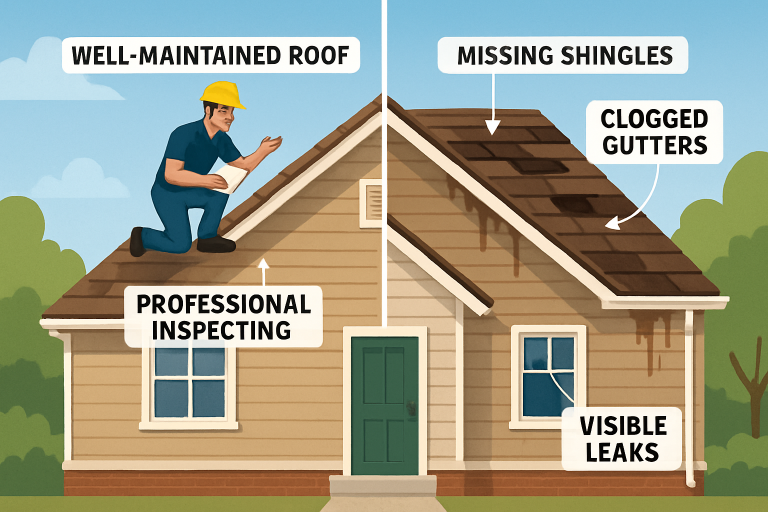
When it comes to maintaining your home’s roof, misinformation can be costly. Many common misconceptions circulate among homeowners, often leading to decisions that ultimately cause more harm than good. Whether you’ve just moved into a newly built house or you’re keeping up an older one, understanding the truth about roof care helps you protect your investment. Recognizing the difference between fact and myth is essential, especially when considering necessary services like residential roof replacement.
Your roof is essential for protecting your home and maintaining energy efficiency. Believing in roof repair myths can lead to neglecting issues and risking costly damage. Trust and information are crucial for roof maintenance, and professional inspections help identify problems early. If uncertain about your roof’s condition, seeking professional advice is vital.
Myth 1: A New Roof Doesn’t Need Maintenance
One of the biggest misconceptions among homeowners is that a newly installed roof requires zero upkeep. Even fresh roofs are not immune to deteriorating weather, fallen debris, or shifting materials caused by high winds. Without routine inspections and maintenance, trivial issues like clogged gutters or loose flashings can turn into expensive repairs—sometimes even within the first few years. Scheduling annual check-ups, especially after major storms, helps you catch small problems before they grow.
Myth 2: All Roofing Materials Are the Same
Each type of roofing material offers unique benefits and potential drawbacks. For example, asphalt shingles are affordable and widely available, but they do not last as long as metal or slate roofs. The wrong material for your climate or house can accelerate wear, increasing the risk of leaks and higher utility bills. Consulting a local expert ensures your choice matches your home’s needs and your region’s weather patterns. Consumer Reports provides an excellent overview comparing popular roofing materials and their respective lifespans.
Myth 3: Roof Repairs Are Only Necessary When There’s a Leak
Leaks are a sign that your roof has already suffered severe damage, but underlying issues often exist long before water enters your home. Missing shingles, cracked tiles, or damaged flashing let moisture seep into the roof deck, causing mold, rot, and structural decay—even when a leak isn’t visible. Regular roof inspections help detect and resolve these vulnerabilities, reducing the risk of widespread water damage to the attic and walls.
Myth 4: DIY Roof Repairs Are Just as Effective as Professional Work
While DIY projects can save money in many areas of home maintenance, roofing is often an exception. Professional roofers are trained to spot subtle signs of aging or damage that non-experts might miss, such as hidden water intrusion or poorly sealed joints. Attempting complex repairs without proper tools can lead to injuries or further damage. Even small mistakes may void manufacturer warranties or compromise insurance claims.
Myth 5: Dark-Colored Roofs Always Lead to Higher Energy Bills
Dark shingles do absorb more heat, but all the data don’t support the belief that they drastically increase cooling costs. Modern advances have led to “cool roof” technologies, even in dark shades, which reflect more sunlight and reduce heat absorption. Proper attic insulation and ventilation are far more significant contributors to maintaining a comfortable indoor temperature. Homeowners in colder climates may even benefit from the slightly higher heat absorption of dark-colored roofs during the winter months.
Myth 6: Adding a New Layer of Shingles Is Just as Good as a Full Roof Replacement
Layering new shingles over old ones may seem economical, but it can mask existing issues such as mold, rot, or trapped moisture. The underlying wood deck may be damaged, even if the new layer looks fine. Extra layers also add weight, which can stress the structure and void certain manufacturer warranties. Full tear-offs are more labor-intensive but essential for addressing all hidden issues and complying with best practices.
Myth 7: Gutters Have No Impact on the Roof’s Health
Gutters are crucial for roof longevity, as they redirect rainwater and prevent it from pooling around the roofline or foundation. Clogged or broken gutters can back up under shingles, creating leaks or wood rot. Maintaining clean, functioning gutters protects your entire roofing system and avoids unnecessary damage not just to the roof, but also to windows, siding, and landscaping below.
Myth 8: Roof Warranties Cover All Types of Damage
Roof warranties can be misleading if you don’t understand what they actually cover. Most cover only factory defects in materials—not damage from wind, hail, or improper installation. Regular documented inspections and repairs by certified professionals are often required to maintain coverage. Homeowners should read their warranties carefully and consult with their roofing contractor to clarify any exclusions or maintenance requirements.
Busting persistent roofing myths helps homeowners save money, avoid unnecessary stress, and extend the lifespan of their roofs. Proactive maintenance, regular inspections, and trusted professional help are the foundation for a strong, weather-resistant roof that protects your home for years to come.
