

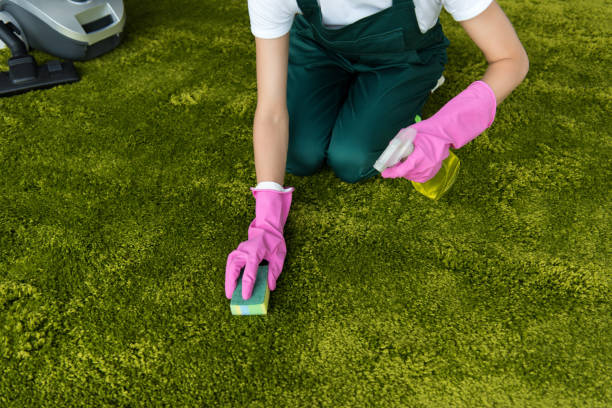
Most carpet stains respond perfectly well to simple, natural substances that have been used for generations.
Making carpet cleaners at home is not about compromise or settling for second best. It is about recognising that harsh chemicals are often unnecessary, expensive, and potentially harmful to health and the environment.
The ingredients needed are affordable, safe around children and pets, and surprisingly effective when used correctly. Here is how to clean carpets using what is already in the cupboard.
Know Your Carpet Materials Before You Clean
Understanding what your carpet is made of is crucial for picking the right cleaning method. Nylon carpets, for example, are durable and resist stains, making them ideal for high-traffic areas. However, certain products can cause colour fading.
Wool, a natural fibre, absorbs spills well but needs careful handling to avoid shrinkage. Polyester carpets hold their vibrant colours but are prone to absorbing oily substances.
Knowing these differences helps you choose methods that protect the fibres and keep your carpet looking its best.
For instance, a mix of water and white vinegar works well for nylon and polyester, while milder soap and lukewarm water suit wool. Matching the cleaner to the fibre prevents damage and prolongs the carpet’s lifespan.
Why Green Cleaning Solutions Make a Difference
Eco-friendly carpet cleaners are not just better for the environment — they are safer for your home too. Conventional products often contain strong chemicals that can irritate skin, trigger allergies, or release fumes into your indoor air.
Green solutions use ingredients like vinegar, baking soda, and plant-based oils to remove dirt, neutralise odours, and disinfect without harmful residues. These natural ingredients are usually already in your pantry, making it easy to get started.
One of the most important products in your pantry is vinegar. It tackles stains and odours, while baking soda gently lifts dirt. You also have a whole host of essential oils. Each one can add a pleasant scent while also offering antimicrobial benefits.
By choosing green cleaners, you reduce your household’s chemical footprint and contribute to a healthier, more sustainable home.
How to Make Your Own DIY Carpet Cleaner
Making an effective carpet cleaning solution at home is surprisingly simple. Combine:
- 2 glasses of lukewarm water;
- 2 teaspoons of white vinegar;
- 1 teaspoon of baking soda.
Add a few drops of essential oil if desired for fragrance and extra cleaning power. Start by mixing the baking soda with warm water, then add the vinegar. You’ll notice that a brief foaming reaction will occur.
Finally, mix in the essential oil and pour into a spray bottle for easy application. Spray the mixture on your carpet, focusing on stains or odour-prone areas. Let it sit for about five minutes, then blot with a clean cloth to lift dirt and excess moisture.
Using this solution regularly helps maintain your carpet or rug, and it reduces reliance on harsh chemical products.
Removing Stains the Natural Way
Persistent stains don’t have to be stressful. Quick action often makes all the difference:
- Red wine. Blot immediately with a clean towel. Mix equal parts white vinegar and water in a spray bottle, lightly mist the stain, and blot again.
- Coffee. Mix 1 teaspoon of baking soda with a cup of lukewarm water. Dip a cloth and gently sweep over the stain until clean. Rinse thoroughly with water.
- Pet accidents. Mix ½ cup of hydrogen peroxide with 3 tablespoons of baking soda. Apply to the stain, leave for 10 minutes, then rinse. Always test in a hidden area first to check for colour changes.
These natural methods are gentle but effective, keeping fibres intact while tackling a variety of messes.
Tips for Keeping Your Carpet Clean
Routine care is the secret to keeping carpets looking fresh and feeling soft underfoot. Vacuuming at least twice a week removes dust, allergens, and tiny particles before they sink deep into fibres.
If possible, use a vacuum with a HEPA filter to trap even the smallest irritants, helping your indoor air stay cleaner too.
Entryway mats are another simple yet effective step. They catch dirt and moisture before it reaches your carpets, reducing wear and keeping carpets looking newer for longer. Rotate mats occasionally and give them a quick shake or wash to maintain their effectiveness.
For a deeper refresh, make a gentle DIY solution every three months: mix 1 cup of white vinegar with 2 cups of warm water. Apply lightly, let it sit for a few minutes, then blot away with a clean cloth.
For persistent marks, a baking soda and water paste works wonders — leave it on for around 10 minutes before blotting it up.
Other helpful habits include immediately addressing spills, using furniture coasters to prevent dents, and rotating rugs or rearranging furniture every few months to avoid uneven wear.
Over time, this consistent attention not only keeps carpets looking pristine but also extends their life, making your home feel welcoming, cosy, and well cared for.
When DIY Isn’t Enough
While DIY cleaning solutions work well for everyday upkeep, some stains and carpets need extra care.
Tough spots like ink, oil, or heavy-soil build-up may resist home remedies, and delicate fibres such as silk, antique rugs, or handwoven carpets require careful handling to avoid damage.
Professional carpet cleaners have the tools, training, and specialised solutions to tackle these challenges.
High-quality equipment reaches deep into the fibres to lift dirt and stains without over-wetting or wearing down the material. Professionals also know how to match cleaning methods to different fibres, ensuring that colours stay vibrant and textures remain soft.
Even if DIY methods handle most routine cleaning, professional carpet cleaning can be a smart investment. It keeps carpets in top condition, prevents long-term damage, and ensures luxurious or high-value rugs last for many years.
Think of it as combining the best of both worlds — your everyday eco-friendly care plus occasional professional expertise when needed.
Conclusion
Eco-friendly cleaning solutions let you refresh carpets safely, without harsh chemicals. They are easy to make, cost-effective, and gentle on your home and the environment.
Start small — one room, one stain, one carpet at a time — and enjoy cleaner floors, fresher air, and the peace of mind that comes from choosing sustainable solutions.
