

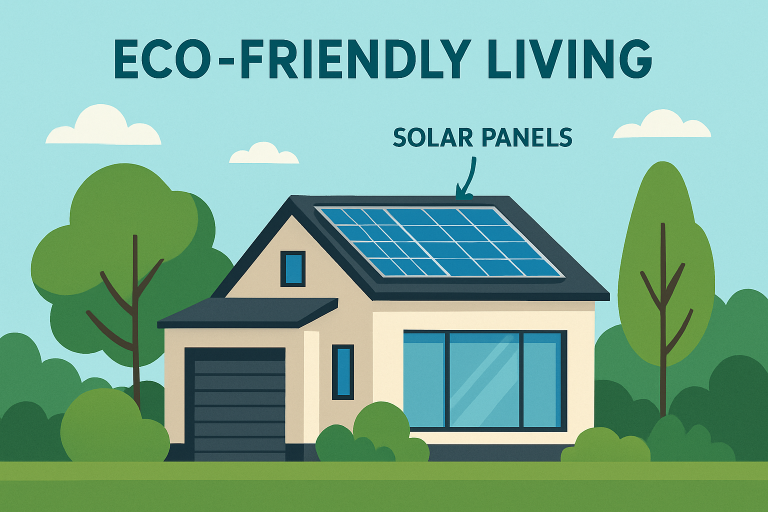
Taking the step to purchase an eco-friendly home is a meaningful way to reduce your impact on the planet while also reaping financial and lifestyle benefits. For prospective buyers eager to make sustainable choices, understanding the intricacies of green real estate is essential. Guidance from experienced Montecito real estate agents can be invaluable, as they are familiar with the latest trends and certified properties in the eco-friendly market.
An environmentally conscious home reduces energy and resource consumption, leading to lower bills and a healthier living space. From energy-efficient upgrades to sustainable building materials, many features define a truly green property. Learning what to look for and what questions to ask will help you make an informed, future-proof investment for both yourself and the planet.
Eco-friendly homes are designed to work with the environment rather than against it. They incorporate features that reduce energy and water consumption, utilize non-toxic or recycled materials during construction, and frequently offer better indoor air quality than traditional properties. Recognizing these traits can streamline your search, resulting in a healthier home and significant long-term savings for your family.
Making sustainability a priority also means considering the neighborhood resources, potential local incentives, and the expertise of professionals who can help you identify the most valuable green features. This comprehensive approach ensures you select a home that aligns with your values and offers ongoing advantages for years to come. For an in-depth overview of green building principles, the U.S. Green Building Council offers helpful resources at usgbc.org.
Understand Green Certifications
One of the first steps in buying an eco-friendly home is understanding which green certifications set these properties apart. Recognized programs such as LEED (Leadership in Energy and Environmental Design), ENERGY STAR, and the National Green Building Standard review homes based on energy efficiency, materials, indoor air quality, and water conservation. Learning about these certifications helps you verify a home’s environmental credentials and provides peace of mind about the quality and durability of its green features.
Evaluate Energy Efficiency
Energy efficiency sits at the heart of any green home. You should look for well-insulated walls and attics, energy-efficient windows, advanced heating and cooling systems, and up-to-date appliances that provide ENERGY STAR ratings. Upgrades such as solar panels or high-efficiency heat pumps can make a major difference in monthly expenses, while also reducing your overall carbon footprint. If you want to see what energy-efficient living looks like in practice, the Department of Energy’s page on energy-efficient home design offers practical examples and case studies at energy.gov.
Assess Water Conservation Features
Water is precious, and eco-friendly homes are designed to make every drop count. Look for fixtures such as low-flow toilets, dual-flush systems, and aerated faucets to reduce water consumption. Outside, landscaping with native or drought-tolerant plants lessens the reliance on irrigation and saves significant resources. These features not only help the planet but also cut down water bills and make your yard easier to maintain in the long run.
Consider Sustainable Materials
The building materials used in a significant way have a lasting impact on both the environment and your health. Eco-friendly properties often incorporate recycled or reclaimed wood, rapidly renewable resources like bamboo, and low-VOC paints and finishes to safeguard indoor air quality. As you tour properties, ask about the types of materials used in flooring, cabinetry, and surface finishes to ensure they align with the highest sustainability standards.
Explore Smart Home Technologies
Smart home technologies can take energy efficiency to the next level. Devices such as programmable thermostats, smart lighting systems, and automated blinds allow homeowners to fine-tune energy use and avoid waste. Many of these systems can be monitored via smartphone apps, helping you manage consumption even when you are away from home. The integration of these technologies is often a key sign that a property is both modern and committed to sustainability.
Factor in Location
Sustainability does not end at your front door. The location of an eco-friendly home matters, too. Proximity to school, work, and public transportation reduces reliance on cars, which in turn lowers emissions. Choose neighborhoods that prioritize walkability, access to green spaces, and community amenities such as recycling programs or local farmers’ markets. These factors can significantly improve the quality of life while supporting broader sustainability goals.
Caintelligentte Long-Term Savings
Buying an eco-friendly home often involves slightly higher upfront costs, but the long-term savings can be profound. Energy-efficient appliances, solar panels, and modern insulation all contribute to lower monthly utility bills. Additionally, some states and municipalities offer tax breaks or rebates for green upgrades, further enhancing your investment. Always ask sellers or agents about operating costs and available incentives for green features in your area.
Engage with Knowledgeable Professionals
To maximize the benefits of an eco-friendly home purchase, rely on professionals with experience in sustainable real estate. Knowledgeable real estate agents can help you identify properties that meet the highest green standards, navigate rebate programs, and connect you with trusted inspectors and contractors. Their insight simplifies the process and ensures your new home is both environmentally responsible and tailored to your needs.
By following these tips, you will confidently navigate the green real estate market and invest in a home that provides lasting value for both your family and the planet.
